
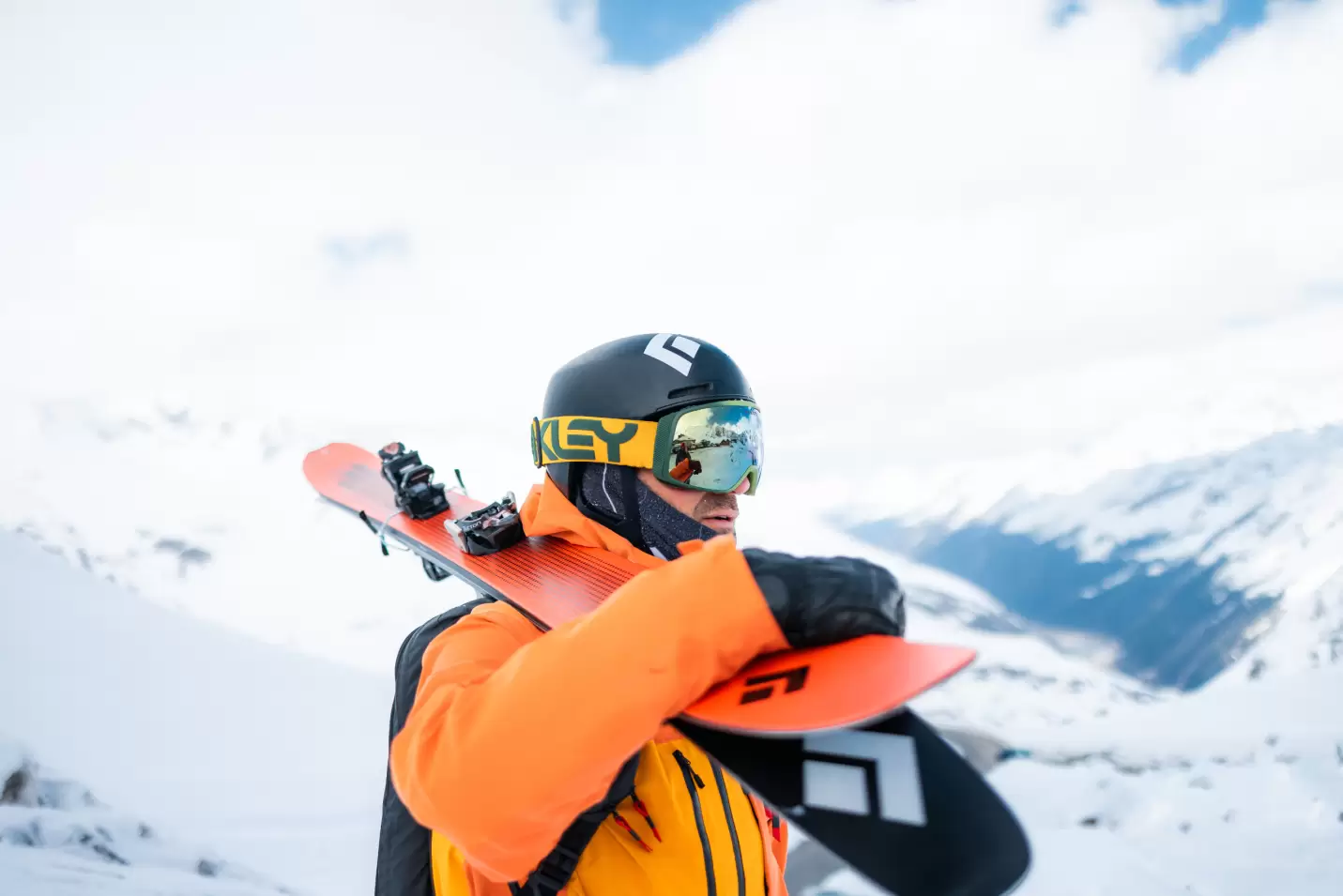
Fritschi began in 1960 in Reichenbach, in the Swiss Bernese Oberland, as a workshop for prototypes and precision parts — not skiing at all. That changed at the end of the 1970s, when brothers Andreas and Christian Fritschi turned the family's engineering skill toward ski touring bindings, eventually launching the Diamir Titanal, which brought genuine alpine-binding safety and power transmission to the touring world for the first time.
Everything Fritschi makes is still designed and assembled by hand in the Swiss Alps — a small, specialist company that has spent over 60 years solving one problem extremely well. Every Fritschi binding is still designed and hand-assembled in the Swiss Alps by a team of around 35 people — a genuinely specialist operation in a category most competitors long ago outsourced.
Swiss made
Built where the mountains are.
One workshop, one job
Started in 1960 as a shop for prototypes and precision parts, and pointed at ski touring bindings at the end of the 1970s. Nothing else has been added since.
Made in the Alps
Designed and built in Reichenbach in the Bernese Oberland, inside the Jungfrau-Aletsch UNESCO World Heritage area — the mountains the bindings are made for.
Assembled by hand
Parts come almost entirely from specialist Swiss suppliers and are put together piece by piece by hand, rather than on an outsourced production line.
A team of 35
Around thirty-five people develop, build and service every binding, sold in some thirty countries through Fritschi's own sales and service network.
The technology
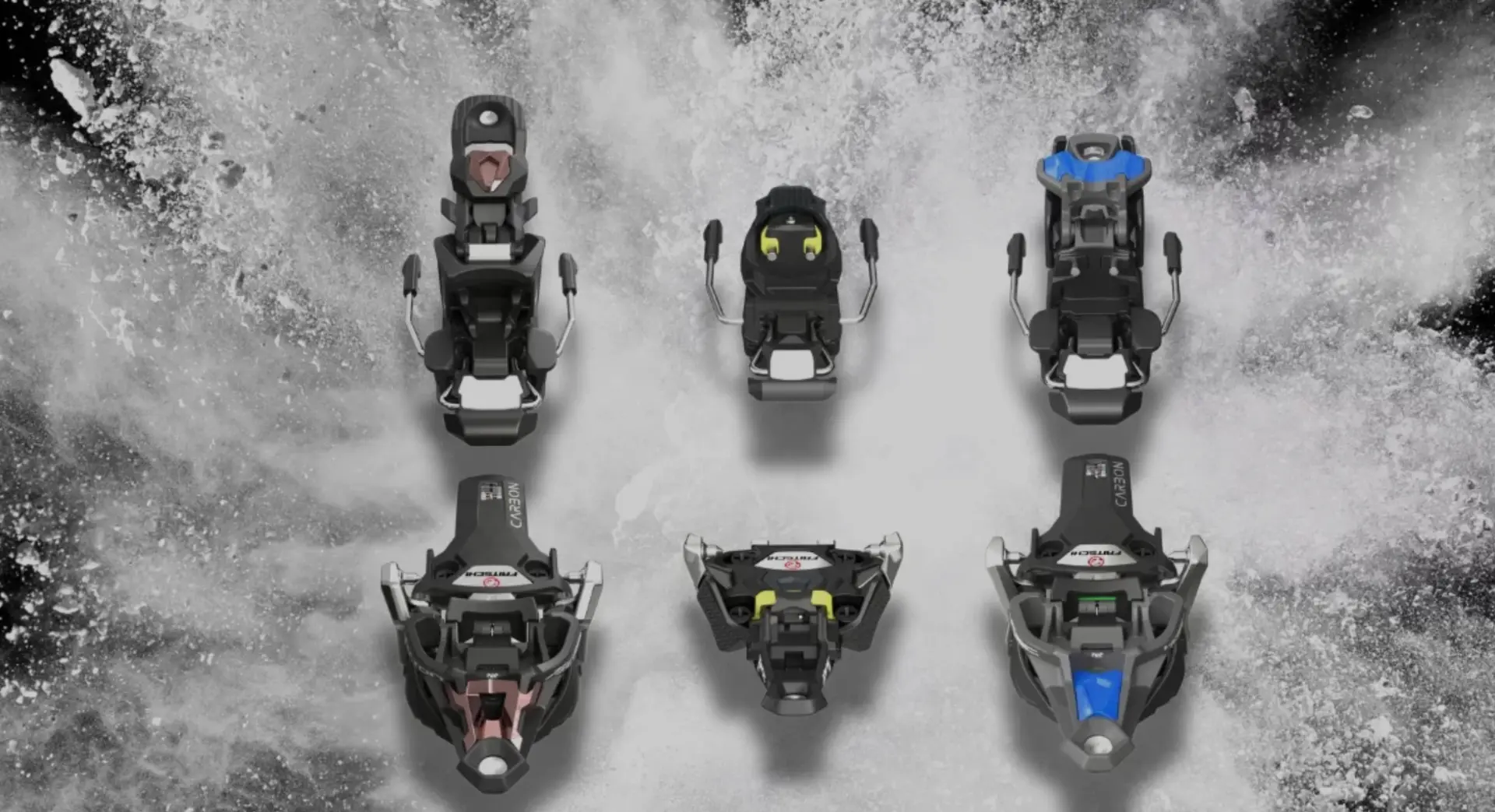
Light enough to climb with. Solid enough to ski on.
- 01
It lets go when it should
The toe releases sideways like a normal downhill binding, with give on each side so it holds through a hard turn but opens in a fall. Fewer twisted knees, fewer bindings popping off for no reason.
- 02
It holds when it should
A fixed heel sitting on a rail passes the skier's power straight into the ski, so a touring binding skis like an alpine one on the way down.
- 03
The right material in the right place
Carbon and glass-reinforced plastics from the car and aircraft world where light weight matters, hardened steel and forged aluminium where the forces are highest.
- 04
Checked, then checked again
Every binding is tested three times during production for its actual release settings, and the factory itself is inspected and certified each year by TÜV SÜD.
Responsibility
Keep the Alps worth touring.
A company that sits inside a World Heritage mountain range treats careful use of materials, energy and people as part of the job.
Fewer parts, better parts
Designs combine several jobs into one well-made component, using only top-grade steel, aluminium and composites.
Short distances
Materials, parts and final assembly all stay in Switzerland, so a binding travels very little before it reaches a shop.
Built to be repaired
Long service life, repairability and minimal packaging are part of the design brief, not an afterthought.
A self-powered factory
Solar panels cover the building's yearly electricity, heating runs on local wood pellets, and the lighting is all LED.
Partners
Swiss Mountain Guides Association
Guides who work in the mountains every day choose Fritschi for safety and reliability.
German Mountain and Ski Guides (VDBS)
Daily working experience feeds straight back into how the next binding is developed.
Austrian Mountain and Ski Guides
Long-standing partners who test the bindings across a full season of guided touring.