
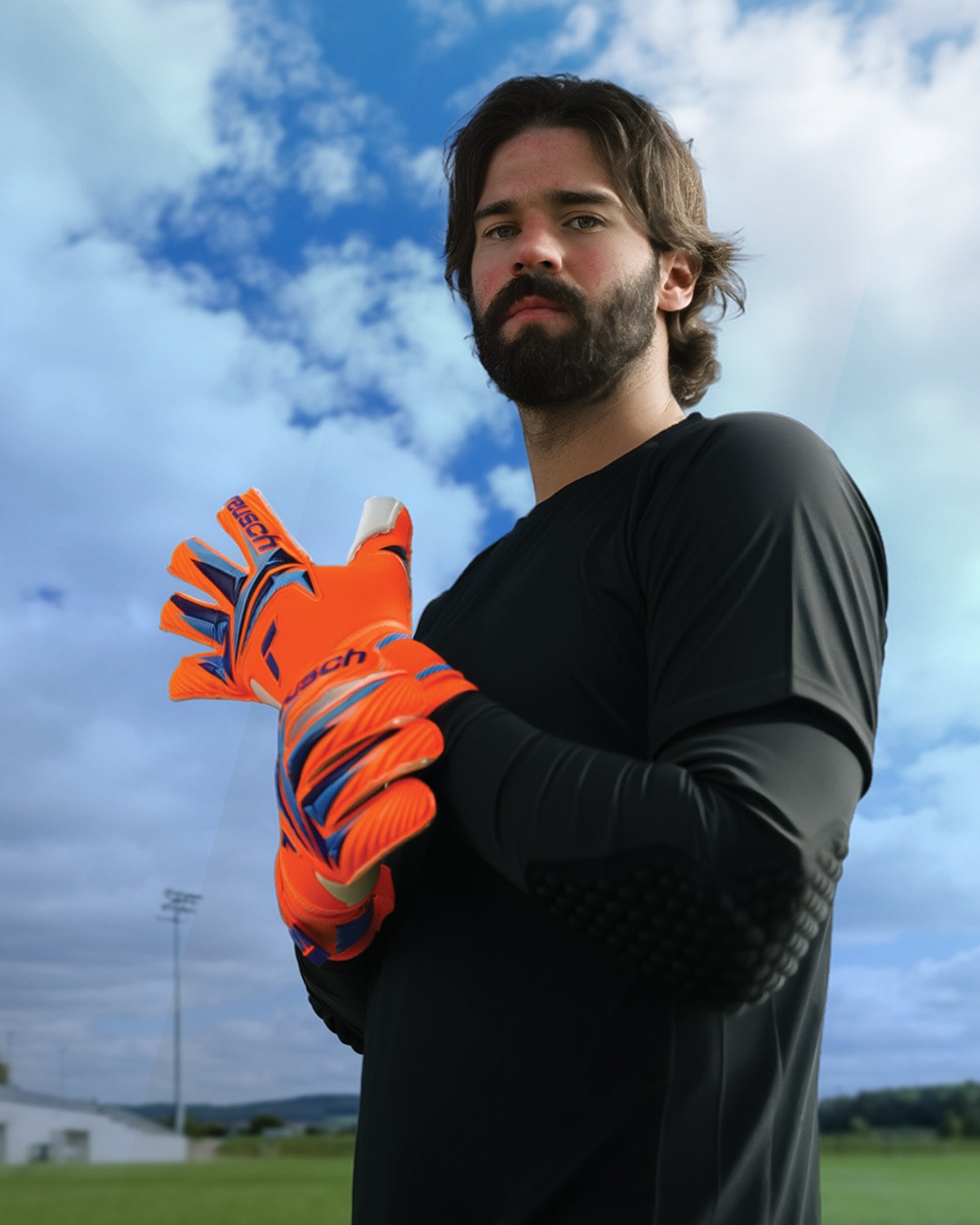
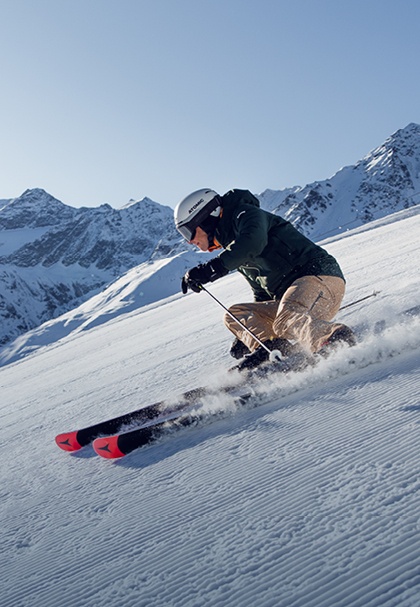
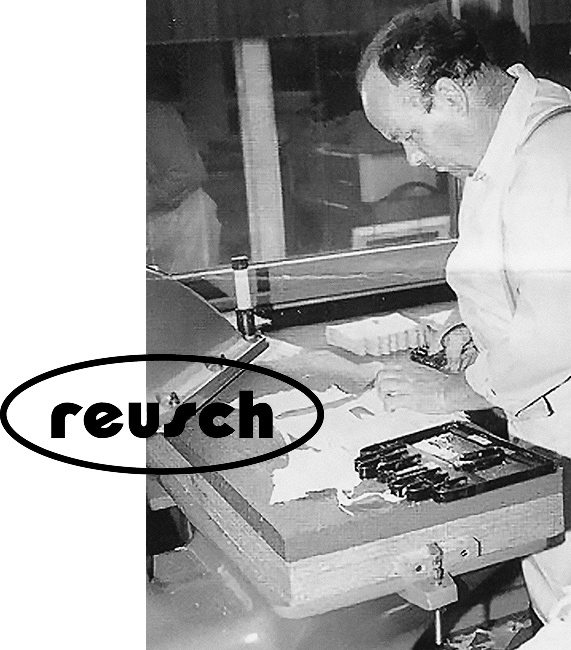
Karl Reusch made his first pair of gloves in the attic of his home in 1934. Four decades later, working with German goalkeeping legend Sepp Maier, his son Gebhard developed the first-ever glove with a latex palm — a small idea that changed football forever and helped Maier lift the World Cup the following year. Nine decades on, Reusch remains the glove specialist, trusted by professional goalkeepers and alpine skiers alike, with gloves behind six World Cup wins and dozens of Olympic and World Championship medals in skiing.
That close relationship between glove-makers and elite athletes remains the company's guiding principle: every current model is still developed and tested with input from the professional goalkeepers and alpine racers who wear it.
Ninety years of one thing
Born in an attic in 1934. Still making nothing but gloves.
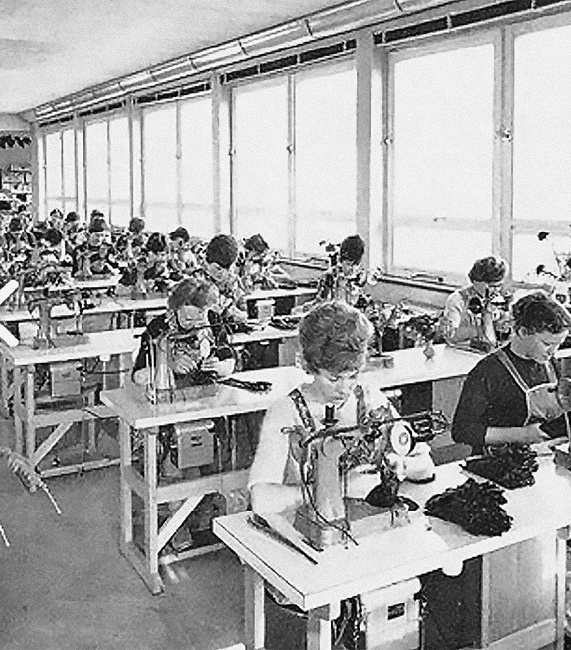
Reusch never lost its focus. It grew out of a small German workshop into a world-leading brand for goalkeeper and winter sports gloves, moved its home to Bolzano at the foot of the Dolomites, and kept the same method throughout: high-grade materials, an obsessive fit, and constant conversation with the athletes who wear them.
- 1934
- Made by hand, from day one
- 250+
- Professionals in top leagues
- 6
- World Cups won in Reusch gloves
- 70%
- Overall World Cup wins since 1980
The line through it
Nine decades, gate by gate.
1934
An attic in Metzingen
Karl Reusch makes his first pair of gloves entirely by hand, on the attic floor of his house in Metzingen, near Stuttgart.
1972
The first winter glove
Gebhard Reusch, the founder's son, adds ski gloves built around what racers actually need — reinforced to take the impact of slalom poles.
1973
Revolution in goal
With goalkeeping legend Sepp Maier, Gebhard develops the first goalkeeper glove with a latex palm. Maier wears it to the World Cup title a year later.
1980s–90s
World market leader
Reusch becomes the leading name in sports gloves — at one point twelve of the eighteen Bundesliga goalkeepers wear them, and the Swiss ski team is fully outfitted.
1996–2001
Back in independent hands
Sold to a holding company in 1996, Reusch is bought back in 2001 and returns to independence with a clear focus on what it does best.
2009–2017
A new home in the Alps
Reusch opens in Bolzano and by 2017 brings every part of the business together there, at the foot of the Dolomites.
2023
A record on snow
Mikaela Shiffrin becomes the most successful female skier in history — with Reusch gloves on her hands.
2024
Ninety years, still specialists
Unai Simón wins the European Championship with Spain, and Reusch marks its ninetieth year doing one thing only: gloves.
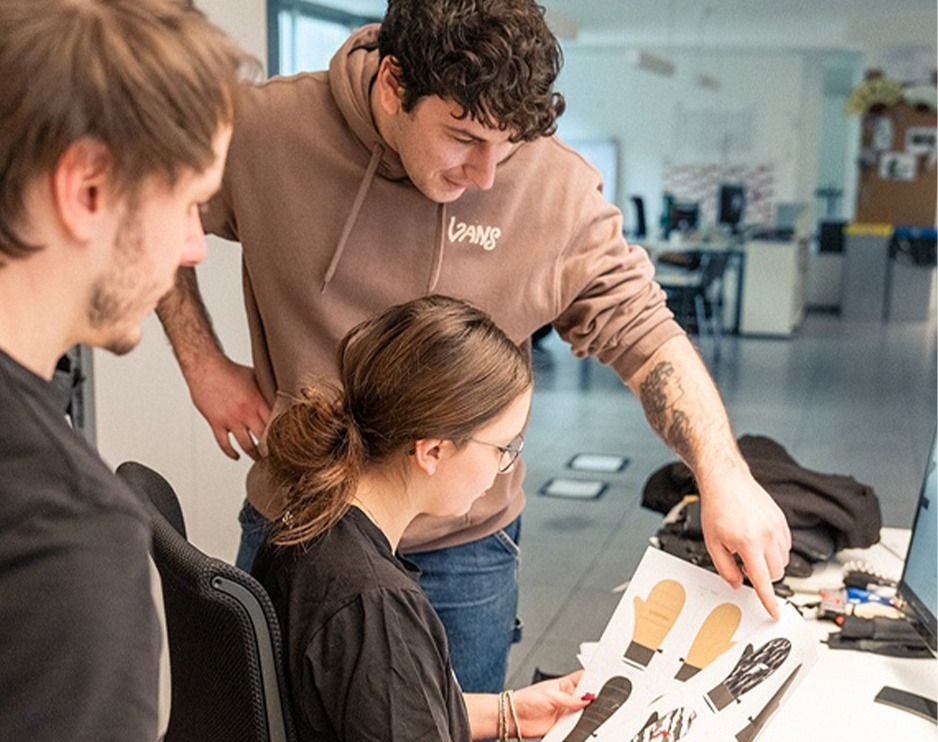
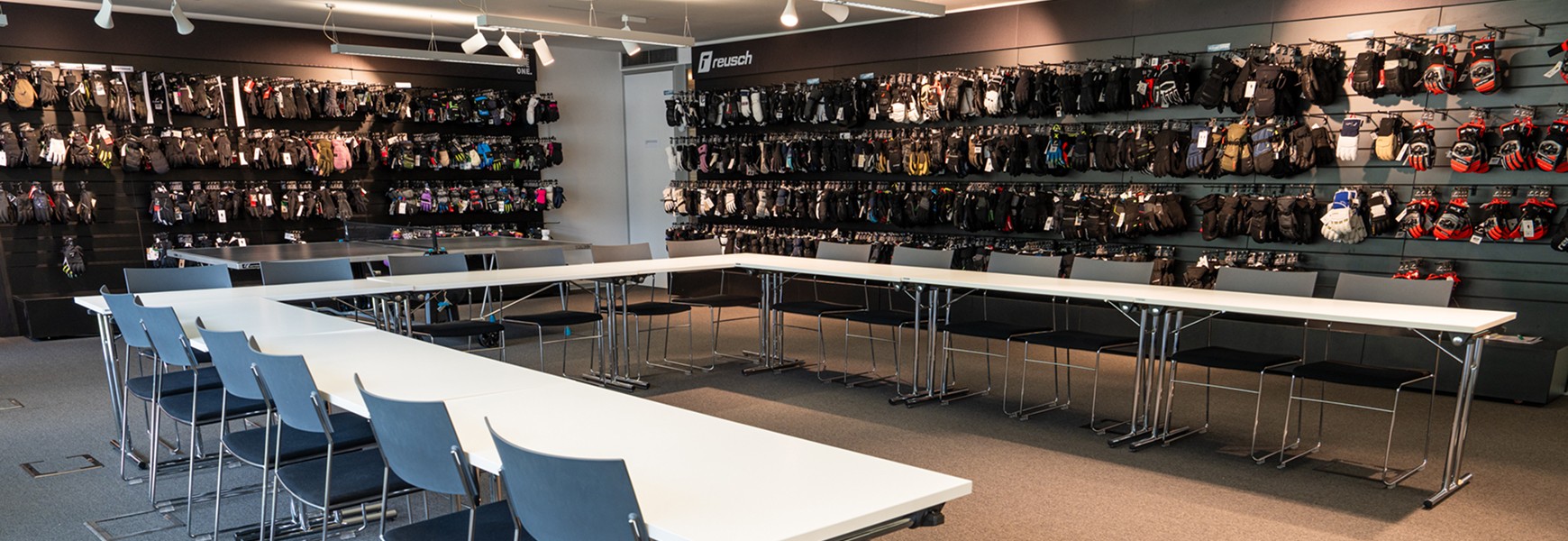
Inside the glove
Two sports, one obsession with the hand.
Goalkeeping
- Reusch Grip latex
- A family of palm foams developed in the GK:LAB, each balancing dry grip, wet grip and durability — from Solid Grip for hard ground to Grip Gold X for the professional game.
- Ortho-Tec™ finger support
- Five individually removable protection sticks let a keeper set exactly how much backward finger support they want, without giving up feel.
- Evolution Negative Cut
- Latex rolled around the fingertips with inner seams below: a tight second-skin fit and the largest possible contact area with the ball.
- Freegel & DuraGuard
- A light silicone-like punching zone on the backhand, and extra abrasion armour exactly where a palm wears out first.
Winter sports
- GORE-TEX & Windstopper®
- Fully waterproof, windproof and breathable membranes — including the PFC-free ePE generation — so hands stay dry from first lift to last run.
- Leather craft
- Goatskin for sheer toughness, sheepskin for softness, Japanese cowhide for both — natural materials chosen glove by glove and treated to stay supple.
- Race protection
- Composite knuckle guards, ceramic-printed shock absorbers and soft finger padding built for the moment a hand meets a slalom gate at speed.
- Re:Knit construction
- A one-piece knitted backhand made with a single thread per colour — seamless comfort with no offcuts left over from production.
Tested by the people who need it most
Our champions, in the goal and on the gates.
More than 250 goalkeepers in top-flight leagues around the world.
Alisson Becker
Liverpool FC · Brazil
Unai Simón
Athletic Bilbao · Spain
Gregor Kobel
Borussia Dortmund · Switzerland
Wojciech Szczęsny
FC Barcelona · Poland
Michele Di Gregorio
Juventus FC · Italy
Alex Meret
SSC Napoli · Italy
Dean Henderson
Crystal Palace · England
Tinja-Riikka Korpela
AS Roma Women · Finland
Taking Care
Rooted in the Dolomites, responsible for them.
A step-by-step programme shaped by the UN Sustainable Development Goals, improving the footprint of every glove across the supply, manufacturing and distribution chain.

Materials
- PFCs removed step by step from ski glove outer fabrics
- Mostly certified recycled insulation, linings and membranes
- Over 100,000 pairs already made with recycled polyester shells
Packaging
- FSC-certified paper for packaging and catalogues
- Polybags made of 100% recycled, recyclable material
- PVC replaced across glove packaging
Climate & logistics
- Sea freight preferred, air freight avoided by planning ahead
- Shipments consolidated to cut transport emissions
- Emissions calculated voluntarily since 2019 and offset through certified projects
People & supply chain
- Procurement guidelines agreed with every factory
- Human rights, fair conditions and zero corruption
- Taking Care programme shaped by the UN Sustainable Development Goals